How to Describe a Person in English for Kids
How to Describe a Person in English: A Practical Guide for Kids has four building blocks: appearance, clothes, character, and actions. A child can describe someone with short sentences such as “She has a curly hairstyle,” “He is kind,” and “They are wearing blue shoes.” Choose the right verb for each detail and keep descriptions respectful. This guide provides sentence patterns, age-appropriate examples, corrections, and activities requiring no special materials.
What Children Need to Understand First
A good description helps a listener picture or identify someone. Start with visible facts: height, hairstyle, eye colour, clothes, and accessories. Add one character trait or current action. For example: “My brother is short. He has brown eyes. He is patient. He is carrying a green bag.”
Separate facts from opinions. “She wears glasses” states a visible fact. “She is friendly” expresses an opinion based on behaviour. How to Describe a Person in English: A Practical Guide for Kids becomes easier when children sort details into these groups.
The Grammar Behind a Clear Description
English uses different verbs for different information. Use be with adjectives, have with features, and wear with clothes or accessories. Use the present continuous for an action happening now. These patterns produce short, accurate sentences.
In How to Describe a Person in English: A Practical Guide for Kids, the core pattern is subject + verb + detail. A younger learner may write one sentence at a time. An older child can join related ideas: “He is tall and slim, and he has short black curls.”
Rules and Examples Children Can Reuse
Use is after he, she, or one person’s name. Use are after they. Place the adjective after the verb: “She is cheerful,” not “She cheerful.” Join two adjectives with and: “He is quiet and thoughtful.”
Use has for one person and have with I, you, we, or they. Say “She has straight braids” and “They have brown eyes.” The noun hair is uncountable when describing someone’s overall hairstyle, so use the singular form.
How to Describe a Person in English: A Practical Guide for Kids needs a logical order. Begin with a general sentence, add two or three specific details, and finish with character or action: “My cousin is medium height. She has short curls and glasses. She is lively and loves making people laugh.”
Choosing Precise and Respectful Words
Choose neutral, relevant details. Words such as tall, short, young, curly, and glasses can identify visible features. Never present body shape, skin colour, disability, or cultural dress as a joke or insult. Include a neutral detail only when it helps identify the person.
Character words need evidence from behaviour. Instead of assigning a label after one moment, explain the action: “He is helpful because he shares his notes.” A teacher may ask, “What makes you think she is brave?” The question develops language and careful thinking.
Multilingual families can compare description patterns. English places an adjective before a noun in “a red coat,” but after be in “The coat is red.” The order may differ from a pattern the child already knows.
Common Mistakes and How to Correct Them
A frequent mistake is using have where English needs be. “He has tall” is incorrect because tall is an adjective. Say “He is tall.” By contrast, “He has a beard” is correct because a beard is a noun phrase.
Children may mix habitual and current clothing. “She wears glasses” describes her normal appearance. “She is wearing sunglasses” describes what she has on now. Both forms answer different questions. How to Describe a Person in English: A Practical Guide for Kids should teach the difference through specific examples.
Another error is repeating the same sentence pattern: “He is tall. He is kind. He is funny.” Once the basic forms are secure, combine related ideas: “He is tall, kind, and funny.” Keep unrelated details separate so the description stays easy to follow.
Practice Activities at Home or in Lessons
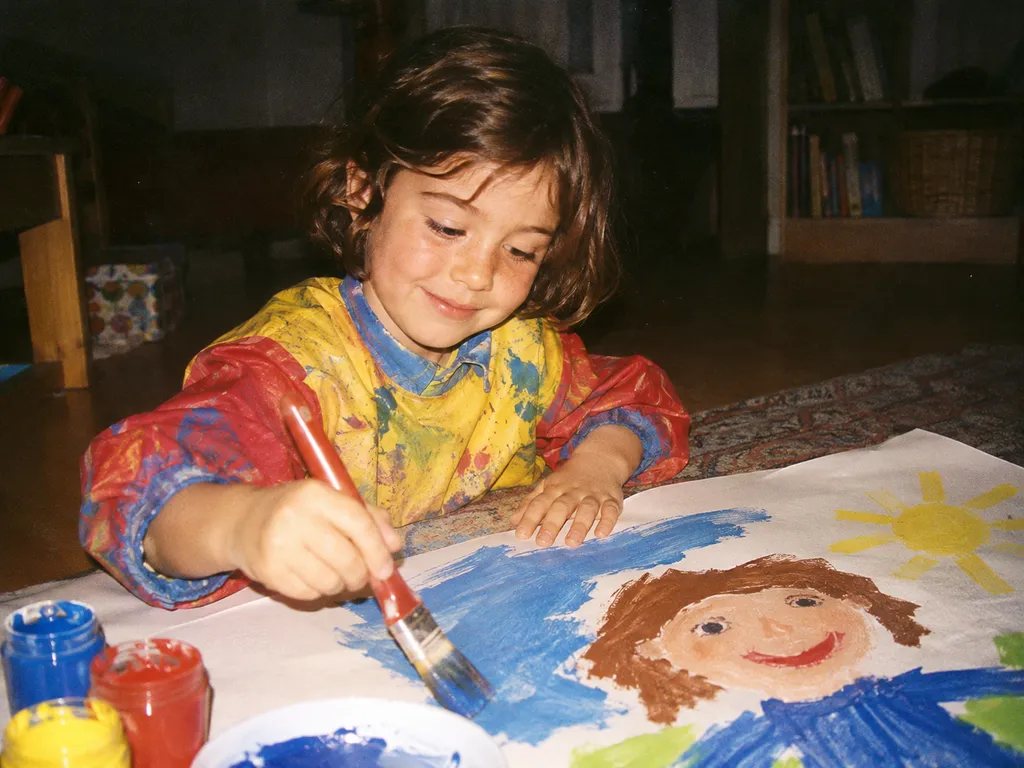
Short speaking tasks make children select details instead of memorising a paragraph. Practise How to Describe a Person in English: A Practical Guide for Kids with family photographs, book illustrations, or people in a public scene. Describe visible features first, then add character words supported by actions.
Fill in the Correct Verb
Complete each sentence with is, has, or is wearing: 1. She ___ long dark braids. 2. He ___ patient and polite. 3. She ___ a blue scarf today. 4. My uncle ___ a beard. Answers: 1. has; 2. is; 3. is wearing; 4. has.
Build a Three-sentence Description
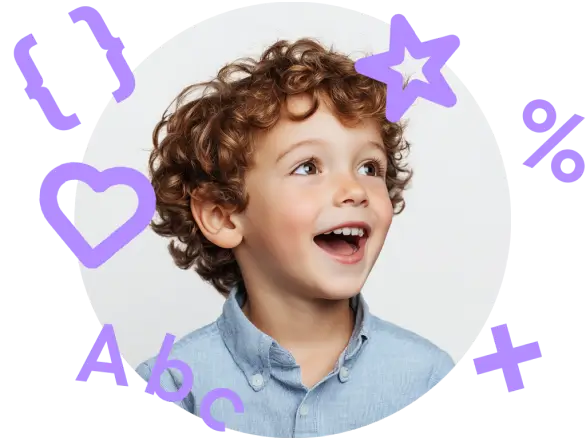
Choose a person in a picture. Write one sentence about general appearance, one about a visible feature or clothes, and one about an action or character trait. Example: “The boy is young. He has short brown curls and is wearing a red jumper. He is smiling at his friend.”
Correct the Mistakes
Rewrite these sentences: 1. He have blue eyes. 2. She is wear a green dress. 3. My friend has friendly. 4. They is quiet. Answers: 1. He has blue eyes. 2. She is wearing a green dress. 3. My friend is friendly. 4. They are quiet.
When a word has several meanings or pronunciations, Cambridge Dictionary is a useful check before turning it into child-friendly examples.
Frequently Asked Questions
Which Description Words Should a Beginner Learn First?
Start with ten practical words: tall, short, young, kind, quiet, funny, long, short, curly, and straight. Teach each word in a complete sentence, not as an isolated label. Practise is, has, and is wearing so children can turn known words into descriptions.
How Long Should a Child’s Description Be?
Three or four sentences suit a beginner: one general sentence, one or two visible details, and one character trait or action. Older or more confident learners can add reasons and contrasts. Five accurate sentences beat a long paragraph with repetition or uncertain grammar.
Should Children Describe Personality as Well as Appearance?
Yes, when they know the person well enough to support the description. Connect a character word to an action: “She is generous because she shares her things.” This prevents quick labels and strengthens speaking practice. For an unknown person in a picture, choose visible details and current actions.
How Can We Practise Without Using a Worksheet?
Use a family photograph, storybook picture, or characters from a familiar film. One person describes someone without naming them, and the other guesses. How to Describe a Person in English: A Practical Guide for Kids works well as a guessing game because accurate details help identify the answer.
What If My Child Mixes up “Is” and “Has”?
Sort examples into two groups. Put qualities and states under is: “is tall,” “is friendly,” and “is tired.” Put features and possessions under has: “has brown eyes,” “has a ponytail,” and “has a backpack.” Practise the contrast aloud, then return to complete descriptions when the choice becomes automatic.
A short one-to-one lesson can show what level and pace fit your child — book a trial English lesson.
Stay updated on our latest tips and resources by following us on Instagram LearnLink.